Info+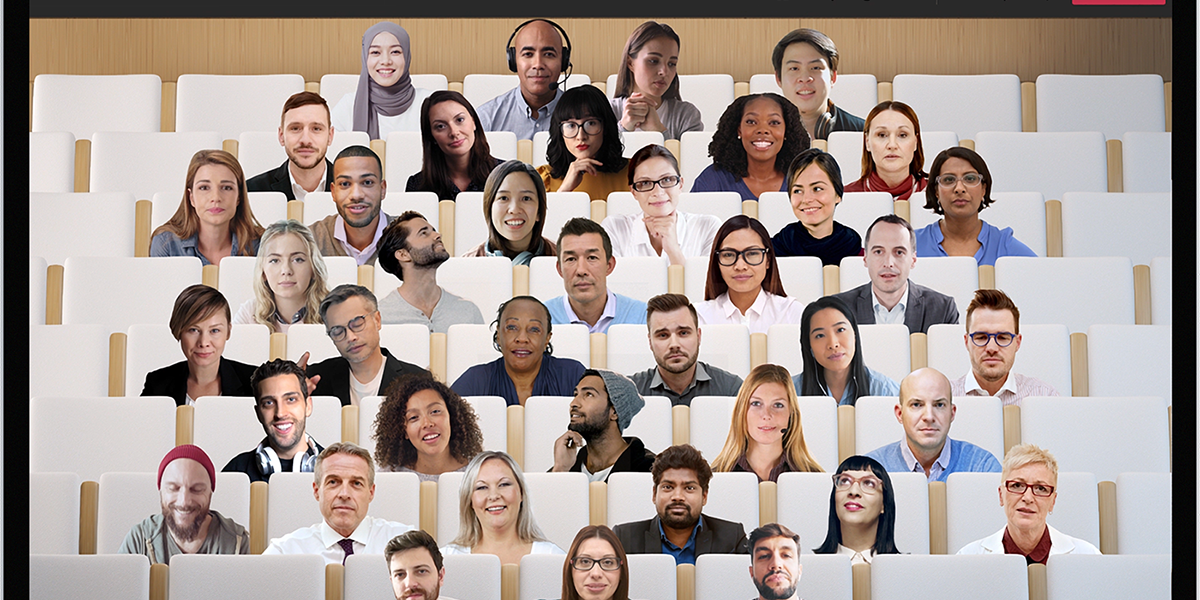
Together mode in Teams aims to make video calls more engaging and less tiring to help people feel together remotely during online meetings
📅 July 10, 2020👁 1,939 views
🔍
🔍
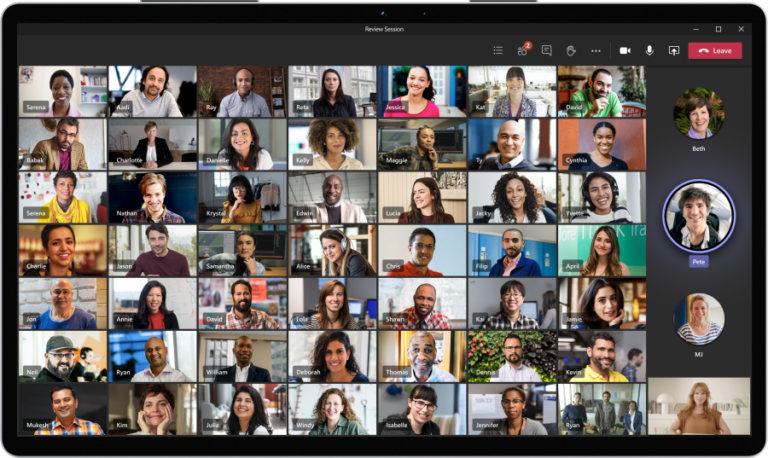
Microsoft Teams recently unveiled new updates to its video conferencing software Teams, including a "Together mode" that puts participants in a virtual meeting hall. Together mode, which, as the name suggests, aims to make video conferences more informal and bring participants together. Instead of 49 individual participant rectangles appearing in gallery mode, switching to Together mode removes the barriers between participants.
Together mode is a new meeting experience in Teams that uses AI segmentation technology to digitally place participants in a shared background, making it feel like you’re sitting in the same room with everyone else in the meeting or class. It puts your team in one shared space. Microsoft AI helps break down barriers, letting you communicate more naturally, and feel more connected to your team by placing the head and shoulders of participants side by side in a virtual auditorium. .
Microsoft is currently working on other views that will available in this mode, including a virtual coffee shop.
Though at first Together mode might seem a like a gimmick, the underlying technology is fundamental to improving the video conferencing experience.
On most video calls, eye contact – or the lack of – is an ongoing problem, with people often appearing to look in the wrong direction. Together mode mimics the geometry of reflection, meaning that every participant is looking at the whole group through a big virtual mirror.
“Once direct eye contact errors become hard to detect, people intuitively position themselves to look as if they are reacting to one another appropriately,” Microsoft said its research has shown that as a result people tend to feel happier and more engaged in meetings.
Additionally, everyone in Together mode is in a fixed position. If one person happens to appear in the fourth seat of the bottom row on their own screen, that person would appear in the fourth seat of the bottom row on everyone else’s screen.
“It’s interesting that Microsoft’s research shows this helps people cope better with video meetings, and helps them better retain information that’s shared in this setting,”
What else is new?
While Together mode is the main new Microsoft Teams feature, it's not the only update rolling out in August.
Dynamic view will make it easier for participants to share content on-screen alongside the view of your participants – a direct contrast to Together mode which currently does not offer users the ability share content or present. Dynamic view also includes virtual breakout rooms, where participants can be split into smaller groups for more focused discussions or brainstorming sessions.
In a further effort to make meetings more inclusive, Teams is also rolling out live reactions and emojis, providing participants with the ability to react instantly to each other in a non-verbal way. In-meeting chats sent during a Teams session will appear as on-screen chat bubbles, eliminating the need for users to open a separate chat window and distracting them from the video call. Teams is also introducing suggested replies, similar to those in Outlook and Gmail, allowing users to give quick feedback.